





Shop by sub-category
Shop by brand
145 parts
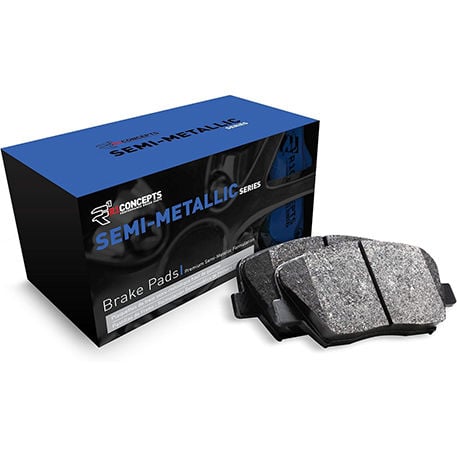
Choosing brake components
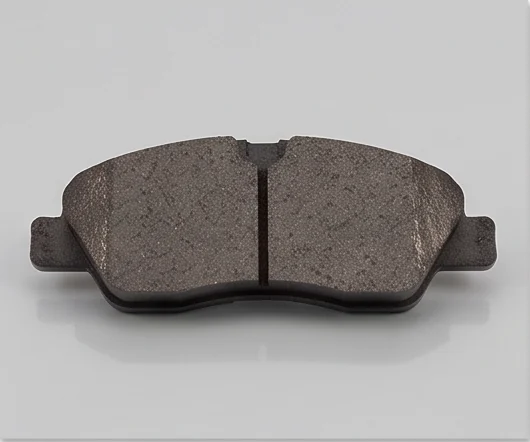
The pad compound decides how your brakes feel and how much they ask of the rest of the system. Ceramic pads run quiet, throw off little dust and last a long time — the default for daily commuting. Semi-metallic pads bite harder and shed heat better under load, at the cost of more dust and noise.
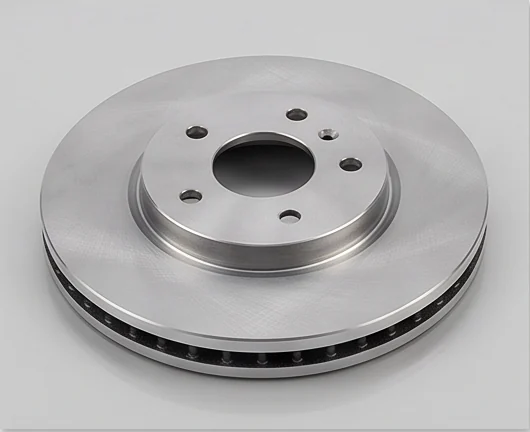
Replace or resurface rotors alongside pads when the rotor has dropped below the minimum thickness stamped on its hat, or when it is scored, grooved or you feel a pulse through the pedal. Fresh pads on a worn rotor will not bed evenly.
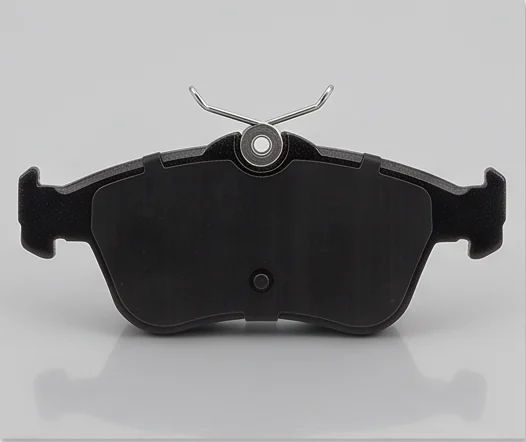
The wear indicator is the small spring-steel tab on the pad. When friction material wears to roughly 2–3 mm, it squeals on light braking — order pads before the backing plate reaches the rotor.
Frequently asked questions
-
Not always. If rotors are above minimum thickness, smooth and true, new pads alone are fine. Replace or resurface if scored, grooved or pulsing — always in axle pairs.
-
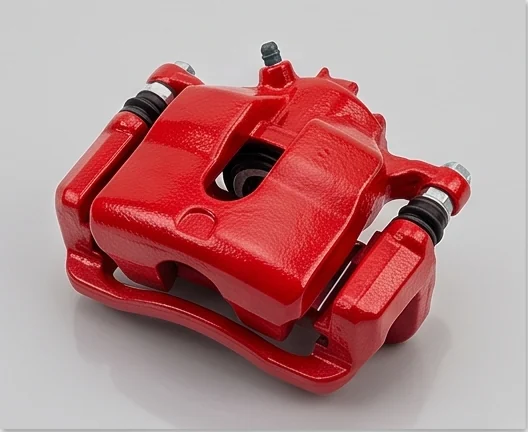
A refundable deposit on remanufactured parts such as calipers. You pay it up front and get it back when you return the old unit. We list it separately from the part price.
-
Set your vehicle in the garage or decode your VIN. Every product shows a fitment stamp checked against your saved vehicle.
-
Ceramic for quiet, low-dust daily driving. Semi-metallic for stronger bite and heat handling under load.
-
Light squeal during break-in is normal. Persistent noise often means missing shims, dry hardware, or a skipped bedding procedure.